
FOOD SECURITY IN TIMES OF CORVID-19:
Supply Chain: Weakness or Strength?
A natural question that surfaces in these times of corona virus is: How are the inventories of Food Security in the world?
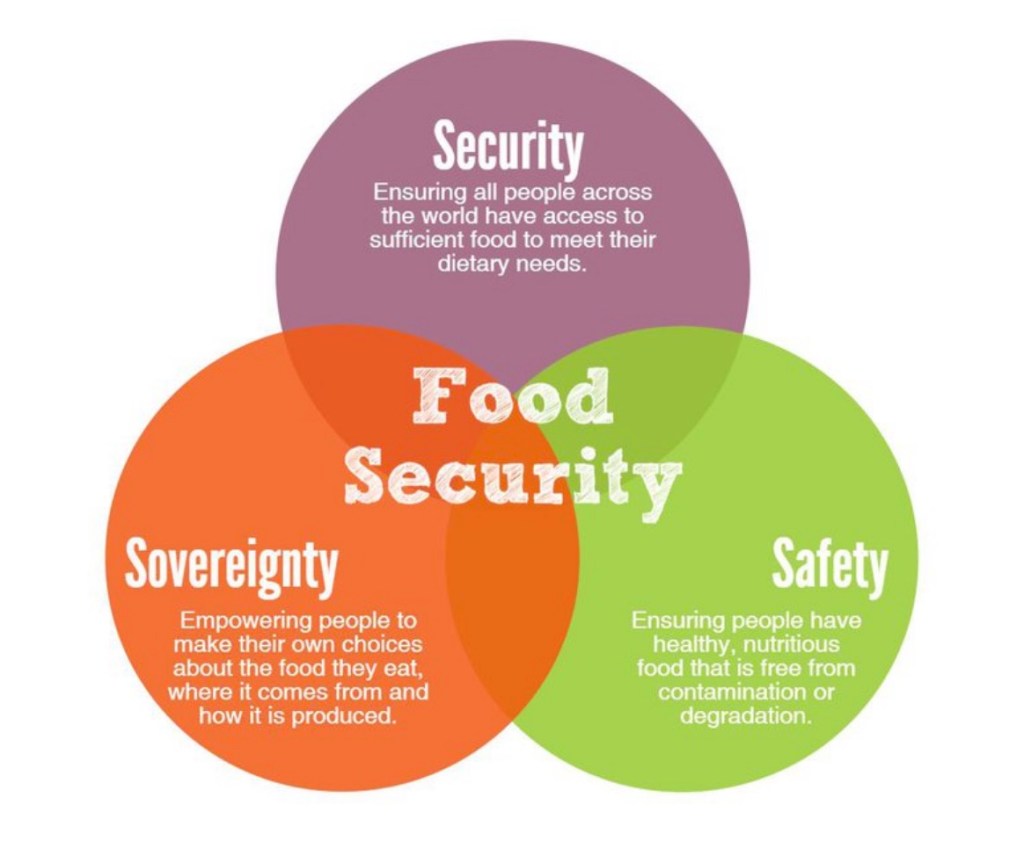
But what is Food Security ?: Is a measure of the availability of food and individuals’ ability to access it. Affordability is only one factor. The final report of the 1996 World Food Summit, held at FAO’s Headquarters at Rome, states that food security “exists when all people, at all times, have physical and economic access to sufficient, safe and nutritious food to meet their dietary needs and food preferences for an active and healthy life. “
Trade is a key element in achieving world food security. Trade generates effective utilization of resources and stimulates economic growth which is critical to improving food security. Trade allows food consumption to exceed food production, helps to reduce production and consumption fluctuations and relieves part of the burden of stock holding.
Climate change isn’t the only issue compounding the problem of global hunger. According to School of Environment, Resources and Sustainability (SERS) professor Jennifer Clapp, the way the dominant global food system is organized perpetuates unsustainable food production practices and inequalities where millions of people don’t get enough to eat while others have too much.
The numbers vividly confirm this discrepancy: Globally, 2 billion people are overweight or obese, while 1 billion are undernourished, and 1.3 billion tonnes of food is thrown out each year due to spoilage, or poor harvesting and transportation practices. It’s an issue addressed by SDG 12, which encourages sustainable consumption and development patterns to reduce the economic, environmental and social costs of such waste.
So, what is the state of world’s food security?
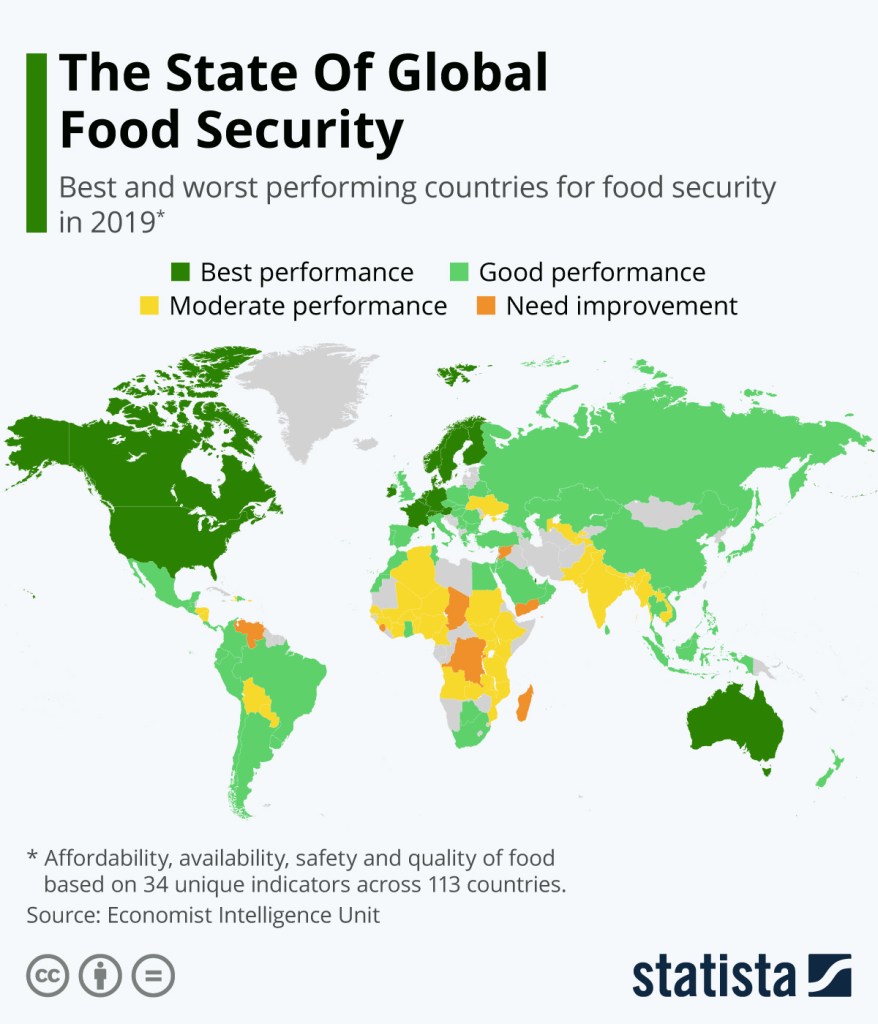
As shoppers stockpile essential supplies to ride out the coronavirus outbreak, supermarket shelves all over the world have been left empty to the detriment of more vulnerable members of society. This is occurring despite the fact that many of the countries dealing with COVID-19 outbreaks boast stable supply chains and high levels of food security.
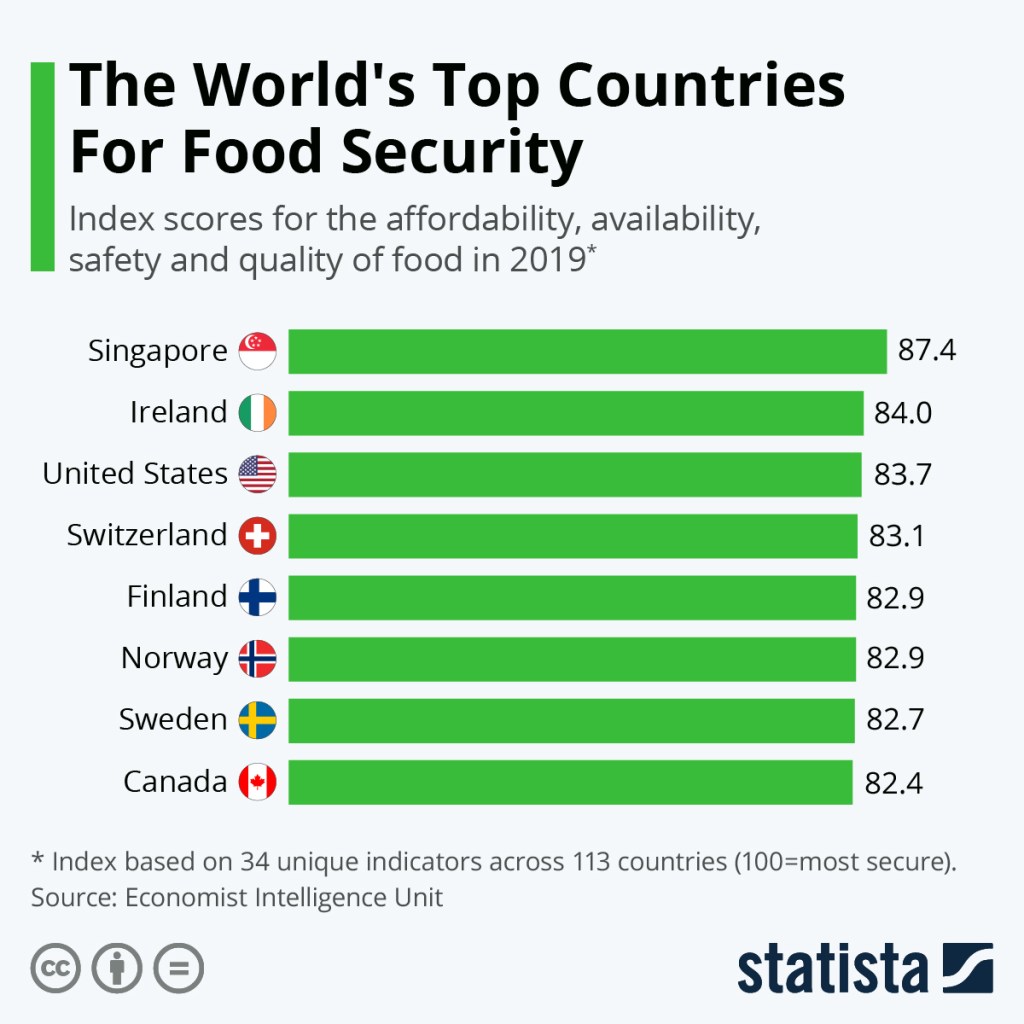
The following map shows the results of the Economist Intelligence Unit’s 2019 Global Food Security Index which measures the affordability, availability, safety and quality of food across 34 unique indicators in 113 countries. Singapore, Ireland and the United States were named the best performing countries while Venezuela, Burundi and Yemen have the lowest levels of food security.
Hence, not only must be assurance at the production level to have acceptable levels of food security, but it must also have appropriate performing supply chains. The latter is a critical success factor for assuring efficient trade practices. Such levels of efficiency unfortunately are still a challenge in developing countries, specially in the rural areas.
After all, the ultimate goal of food security is to reduce hunger and poverty in the world. That being said, the global community is still struggling with this challenge amid the coronavirus outbreak.

 El Economista Digital